


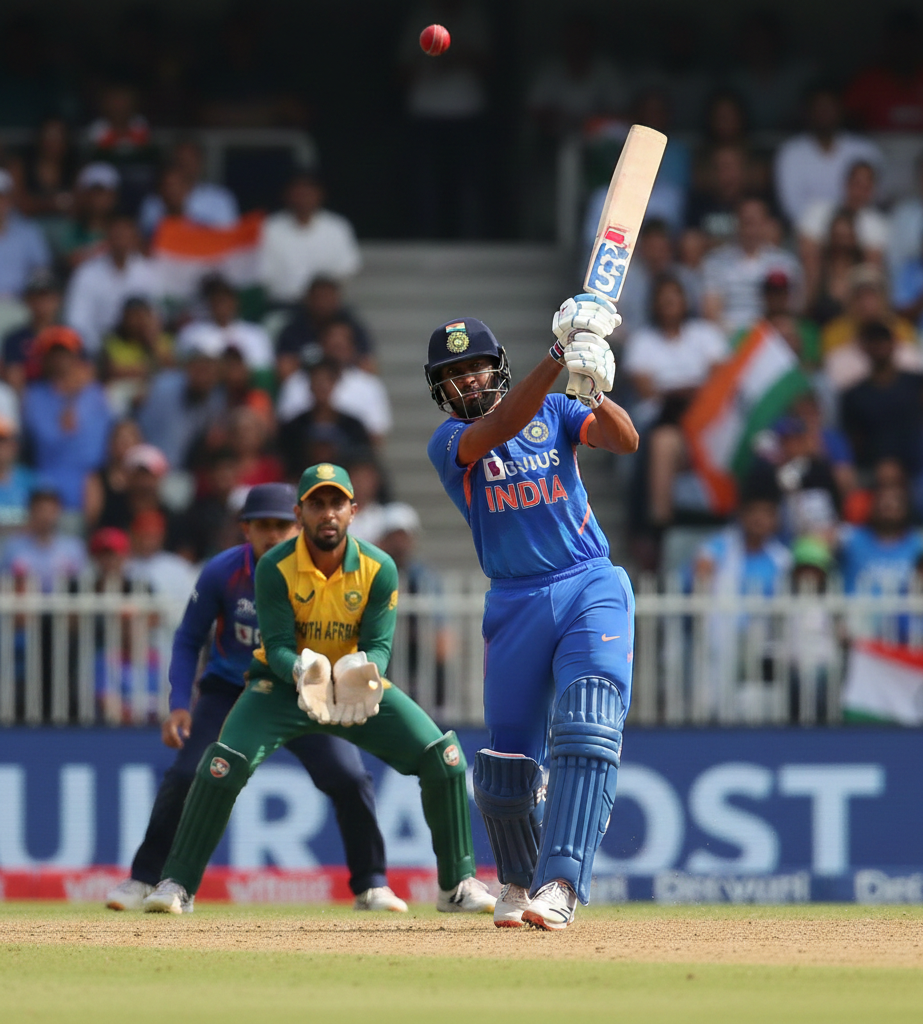
Hashtags
India vs South Africa: A Rivalry Redefined Through Test Championship Glory and White-Ball Brilliance
The cricket world watched with bated breath as India and South Africa renewed their storied rivalry during the 2025-26 tour, a series that carried implications far beyond bragging rights. This wasn’t merely another bilateral encounter between two cricketing powerhouses. Every delivery bowled, every run scored, and every wicket taken contributed to the intricate calculus of the 4th ICC World Test Championship cycle, where standings are determined not just by victories but by the percentage of available points captured across varying series lengths.
The stakes couldn’t have been higher. India entered as one of the format’s strongest sides, their home record serving as an almost impenetrable fortress that visiting teams approached with trepidation. South Africa arrived as determined challengers, understanding that success on Indian soil would validate their resurgence as a Test cricket force and significantly boost their World Test Championship prospects.
The 2025-26 International Tour Results
Test Match Highlights: The Fall of the Home Fortress
Cricket history will remember what transpired in Guwahati as one of the most stunning results in modern Test cricket. India’s home dominance, built over years of relentless excellence and familiarity with subcontinental conditions, crumbled in spectacular fashion. The 408-run margin of defeat represented not just a loss but a comprehensive dismantling that raised fundamental questions about India’s approach and preparation.
The numbers tell a brutal story. India’s batsmen, typically comfortable navigating spin and seam on home pitches, found themselves utterly confounded by South Africa’s bowling attack. The collapse happened across both innings, suggesting this wasn’t merely a single bad day but rather a complete failure to adjust to the challenges presented.
Simon Harmer emerged as the architect of India’s downfall, his 17-wicket series haul demonstrating the kind of sustained excellence that defines career-making performances. Harmer’s off-spin, delivered with subtle variations in pace, trajectory, and spin, exploited every weakness in India’s batting lineup. His ability to extract turn from surfaces that didn’t offer extravagant assistance showcased the craft that separates good spinners from great ones.
What made Harmer’s performance particularly remarkable was the control he maintained throughout the series. He didn’t rely on unplayable deliveries or favorable conditions alone. Instead, he built pressure through accuracy, forcing batsmen into mistakes by denying them scoring opportunities and creating doubt with small variations that disrupted timing and judgment.
The defeat sent shockwaves through Indian cricket. Media outlets dissected every aspect of the performance, questioning team selection, preparation methods, and strategic decisions. Fans who had grown accustomed to home dominance struggled to process the magnitude of the loss. Most importantly, the defeat carried significant World Test Championship implications, potentially derailing India’s path to the final.
White-Ball Success: India’s Response
If the Test series exposed vulnerabilities, India’s response in the limited-overs formats demonstrated resilience and depth. The ODI series provided an opportunity for redemption, and India seized it with performances that reminded everyone why they remain one of cricket’s most formidable white-ball units.
Virat Kohli, a player whose career has been defined by accumulating milestones, reached another landmark with his 52nd ODI century. The innings carried extra significance given the context—coming after the Test series disappointment, Kohli’s century represented not just personal achievement but a statement that India’s class and quality remained intact despite the recent setback.
Kohli’s mastery in ODI cricket has become almost routine, yet each century carries its own narrative. This particular innings combined technical excellence with the kind of mental fortitude required to perform under pressure when doubters circulate. His ability to pace innings, accelerate when required, and anchor chases or set imposing totals has made him the format’s defining batsman of his generation.
The T20I series brought different challenges and opportunities. Varun Chakravarthy’s impact throughout the series highlighted India’s depth in spin bowling and their tactical versatility. Chakravarthy’s mystery spin, featuring variations that bamboozle batsmen even in the age of extensive video analysis, proved effective across different venues and conditions.
His ability to bowl in powerplay overs, middle overs, and death overs without losing effectiveness made him invaluable. South African batsmen struggled to read his variations, frequently playing down the wrong line or mistiming deliveries they thought they had identified. This kind of unpredictability wins matches in T20 cricket, where even small periods of pressure can shift momentum decisively.
2026 T20 World Cup Preparations
The warm-up fixture at Navi Mumbai offered a glimpse into India’s T20 World Cup preparations and the explosive talent available for selection. Ishan Kishan and Abhishek Sharma’s blistering start set the tone, their aggressive intent signaling that India planned to adopt an attacking philosophy rather than conservative risk management.
Both players demonstrated the fearless approach that modern T20 cricket demands. Boundaries flowed from the opening over as they targeted bowling weaknesses and capitalized on fielding restrictions. Their partnership didn’t just accumulate runs quickly—it demoralized the opposition and established dominance that permeated the entire innings.
Venue-specific conditions played crucial roles in shaping strategies and outcomes. The dew factor at Mullanpur and Navi Mumbai created significant challenges for bowling sides, making it difficult to grip the ball and execute variations effectively during second innings. Teams batting second gained substantial advantages as the ball skidded onto the bat and fielding became treacherous.
These conditions influenced toss decisions, team compositions, and tactical approaches. Captains winning the toss overwhelmingly chose to field first, understanding that chasing under dew simplified the equation. Spinners found their effectiveness diminished as moisture prevented the ball from gripping the surface, forcing teams to rely more heavily on pace bowling despite the batting-friendly conditions.
ICC World Test Championship (2025-2027) Rules
Understanding the World Test Championship requires grasping its unique points system, which differs from traditional tournament formats. Each Test match offers 12 points for victory, with draws yielding four points to each side and defeats resulting in zero points. This structure incentivizes results over stalemates, encouraging teams to play positively even when risks exist.
The penalty over system adds another layer of complexity. Teams failing to maintain over rates face point deductions that can prove decisive when final standings are calculated. A team dominating on the field might find their championship hopes damaged by slow over rates accumulated across multiple series.
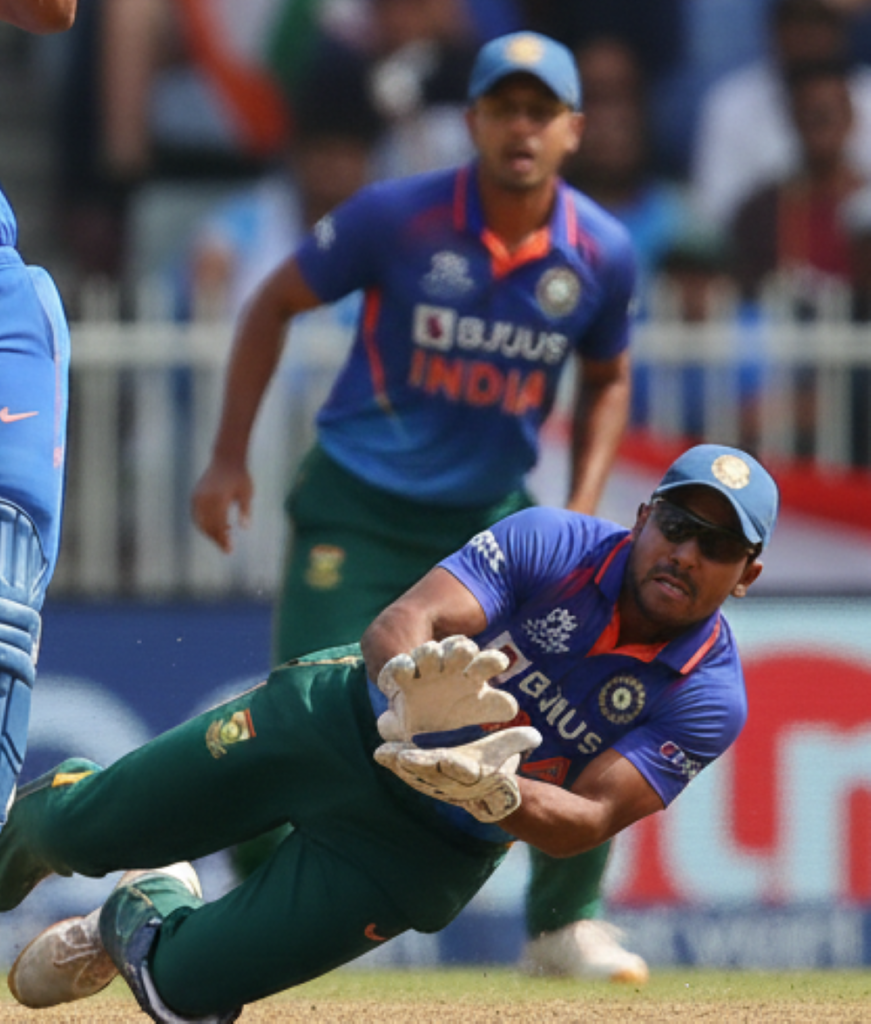
Rankings are determined by “Points Percentage” rather than total points accumulated. This approach addresses the inherent unfairness of varying series lengths—a team playing more matches shouldn’t gain inherent advantages over teams with fewer opportunities. The percentage calculation divides points won by points available, creating a level playing field regardless of how many matches each team contests.
Away match performance carries particular weight in this system. Teams must demonstrate excellence across diverse conditions rather than simply dominating at home. This requirement separates truly great sides from merely good ones who excel in familiar environments but struggle when conditions change.
Host member responsibilities extend beyond providing venues. They must ensure playing conditions meet ICC standards, implement Decision Review System technology, and create environments where fair competition can occur. These mandates protect the championship’s integrity and ensure teams compete under consistent standards regardless of location.
Historical Head-to-Head and All-Time Records
The India-South Africa rivalry has evolved dramatically since their first encounter in 1991. South Africa’s historical 81-74 advantage across all formats reflects competitive balance rather than one-sided dominance. These numbers represent decades of compelling cricket where momentum has shifted repeatedly between the sides.
Legendary figures have defined various chapters of this rivalry. Anil Kumble’s 130 wickets against South Africa stand as testament to sustained excellence against quality opposition. His ability to dismiss South African batsmen repeatedly across different conditions and formats made him the rivalry’s most successful bowler.
Virender Sehwag’s 319-run triple century remains one of Test cricket’s most extraordinary individual performances. The innings combined brutal power hitting with concentration that lasted an entire day, dismantling South Africa’s bowling attack with an aggression that redefined what opening batsmen could achieve in Test cricket.
The India-South Africa rivalry has matured from its 1991 origins into one of cricket’s most compelling narratives. The 2025-26 tour added another dramatic chapter, featuring the shock of Guwahati, the redemption of white-ball success, and the ongoing pursuit of World Test Championship glory.
As both teams prepare for future encounters, including the 2026 T20 World Cup preparations, the rivalry continues evolving. New stars emerge while established legends add to their legacies. The competition remains fierce, the quality exceptional, and the significance of each match magnified by championship implications that extend far beyond individual series outcomes.
IND vs SA live score, T20 WC Warm-up 2025/26