


Hashtags
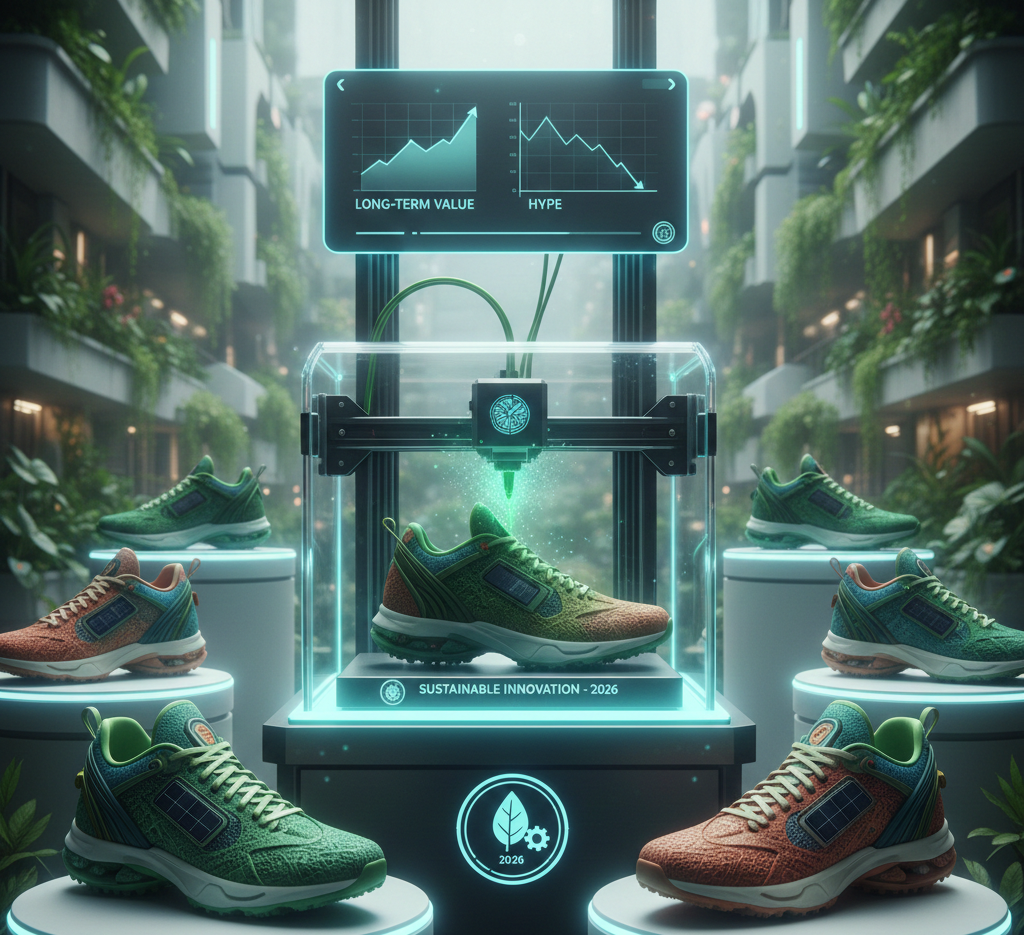
Sneaker Industry 2026: The Strategic Shift from Hype Culture to Sustainable Innovation
The sneaker industry stands at a crossroads that will define its trajectory for the next decade. Gone are the days when limited-edition drops and celebrity collaborations alone could sustain market growth. As we move deeper into 2026, the sector’s $157.9 billion future hinges on something far more substantial than artificial scarcity and social media frenzy. We’re witnessing a fundamental recalibration where innovation, sustainability, and genuine consumer value replace the empty calories of hype-driven marketing.
This transformation isn’t happening in isolation. Economic pressures, technological breakthroughs, and evolving consumer consciousness are converging to reshape how sneakers are designed, manufactured, marketed, and valued. The resale market that created overnight millionaires is collapsing under its own weight. Heritage brands are rediscovering their identities while tech-forward manufacturers deploy 3D printing at commercial scale. Meanwhile, environmental accountability has shifted from corporate talking points to measurable commitments with 2030 deadlines rapidly approaching.
Understanding these shifts requires looking beyond quarterly earnings reports to examine the structural forces rewriting industry rules. The brands that thrive won’t be those clinging to yesterday’s playbook, but those bold enough to lead consumers toward a more sophisticated relationship with footwear—one built on craftsmanship, performance innovation, and environmental responsibility.
The Economic Landscape
Market analysts project the global sneaker industry will reach $157.9 billion by 2033, representing steady growth that masks dramatic shifts in market composition. This expansion occurs despite—or perhaps because of—the death of speculative buying that artificially inflated certain segments. The forecast suggests consumers remain willing to invest in footwear, but their purchasing criteria are evolving toward quality, longevity, and authentic brand narratives.
The Nike-Adidas duopoly continues dominating market share, yet cracks in their armor are becoming visible. Nike’s recent financial reports show slowing growth in key demographics as younger consumers question the brand’s innovation pipeline beyond incremental colorway updates. Adidas faces its own reckoning after the Yeezy partnership dissolution forced a strategic reset. Both giants are discovering that legacy alone doesn’t guarantee future relevance when nimbler competitors offer compelling alternatives.
Enter New Balance, executing one of the most remarkable brand resurrections in footwear history. Once dismissed as the sneaker your dad wore for weekend errands, New Balance repositioned itself as the thinking person’s athletic brand. Their strategic focus on domestic manufacturing, technical running heritage, and collaborations with credible fashion labels transformed perception entirely. The brand’s growth trajectory suggests consumers are hungry for authenticity and substance over manufactured coolness.
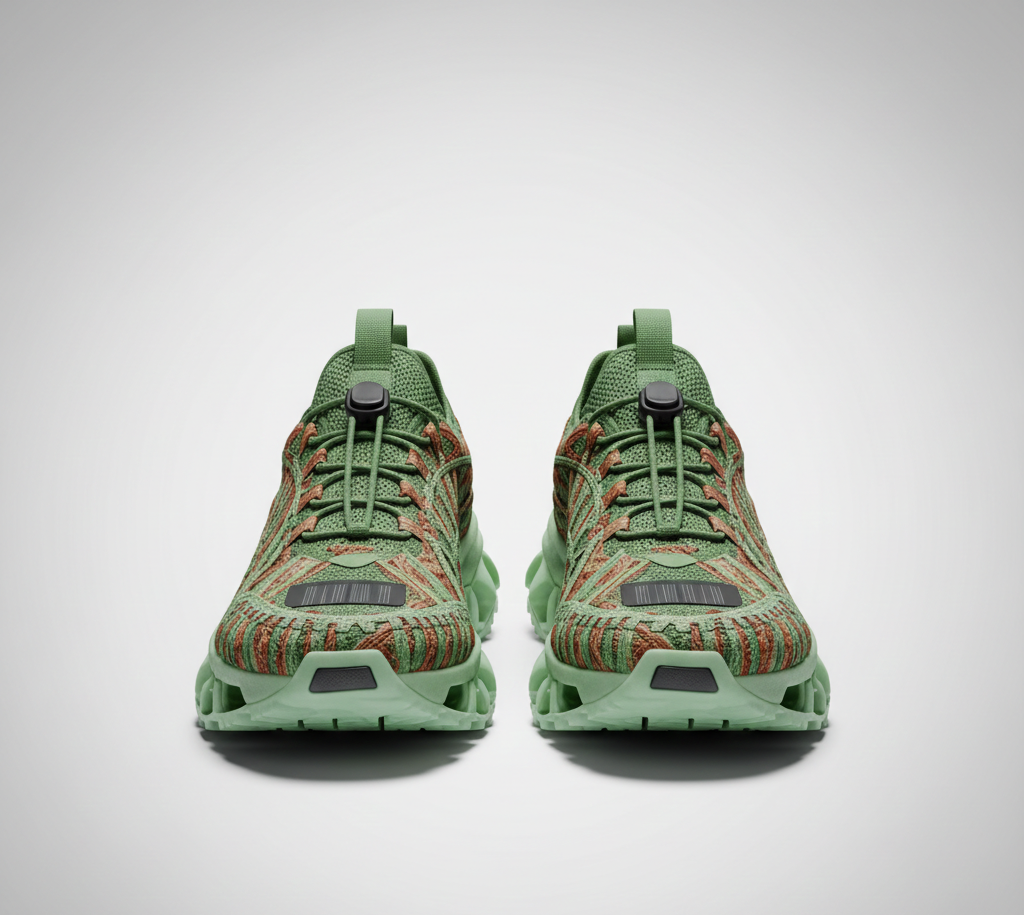
Perhaps the most disruptive force reshaping production is 3D printing technology’s maturation from experimental novelty to viable manufacturing method. The additive manufacturing sub-sector is projected to reach $4.2 billion, enabling customization at scale, rapid prototyping, and waste reduction that traditional methods cannot match. Brands like Adidas with their 4D midsole technology demonstrated commercial viability, opening floodgates for competitors to develop proprietary 3D printing applications. This technology democratizes innovation, allowing smaller brands to compete on product development without massive factory infrastructure.
The Death of the Hype Economy
The sneaker resale market that minted teenage millionaires and filled YouTube with “flip for profit” tutorials is experiencing terminal decline. StockX, GOAT, and similar platforms report dramatic decreases in transaction volumes as the speculative bubble deflates. The side hustle of camping outside sneaker boutiques or deploying bots to secure limited releases no longer generates reliable returns. Too many speculators chasing too few genuinely desirable products created market saturation where resellers compete against each other, driving margins toward zero.
Several factors accelerated this collapse. Brands recognized they were leaving money on the table by creating artificial scarcity that enriched resellers rather than their own bottom lines. Nike’s shift toward wider release quantities for popular models eliminated the supply constraint that enabled markup. Consumers grew tired of paying inflated prices for shoes they actually wanted to wear. The cultural cachet of owning limited sneakers diminished as authenticity replaced flex culture in youth trends.
The post-Yeezy market provides a fascinating case study in how personality-driven hype inevitably fades. Adidas’s decision to clear remaining Ye-associated inventory in 2024-2025 flooded secondary markets with product that once commanded astronomical premiums. Shoes that resold for triple retail now struggle to reach original price points. This correction exposed how much value was tied to celebrity association versus actual design merit. As these products saturate the market, collectors are learning painful lessons about speculative investing in footwear.
StockX’s 2026 predictions reveal which brands are building sustainable demand rather than temporary buzz. New Balance, Asics, and Salomon are setting all-time annual sales records on the platform, driven by genuine consumer demand for products that deliver comfort, quality, and understated style. These aren’t brands teenagers flex on Instagram—they’re brands adults choose for actual wear. This shift signals maturation in consumer priorities that extends beyond sneaker culture to broader fashion trends.
SS26 Seasonal Trends & Consumer Behavior
Spring/Summer 2026 collections reflect macro trends that fashion forecasters identified eighteen months ago, now crystallizing into retail reality. Retro Surrealism dominates design language, blending nostalgia for analog eras with dreamlike distortions of familiar silhouettes. Think chunky dad shoes reimagined with exaggerated proportions and unexpected material combinations. This aesthetic satisfies consumer desire for novelty without abandoning the comfort and familiarity that drove athleisure’s dominance.
Moonbath emerges as the season’s defining mood—soft, ethereal colorways and flowing silhouettes that reject the aggressive styling of streetwear’s peak years. This trend manifests in sneakers through organic curves, cloud-like cushioning systems, and colorways inspired by twilight skies rather than neon brightness. The psychology driving Moonbath connects to broader cultural exhaustion with constant stimulation, as consumers seek products that convey calm rather than status.
Specific product categories experiencing unprecedented demand reveal how footwear is borrowing from other fashion segments. Mary Janes, traditionally associated with feminine dress shoes, are being reinterpreted with sneaker soles and athletic materials. Boat shoes, long abandoned as preppy relics, return through collaborations that update the silhouette for contemporary tastes. “Soft” sneakers—footwear prioritizing pillowy comfort over performance metrics—dominate sales as working from home permanently altered how people think about all-day wearability.
Color strategy for SS26 moves decisively away from the neutral earth tones that saturated recent seasons. Poppy Red energizes palettes with vibrant optimism, while Aqua Haze brings sophisticated coolness that photographs beautifully in natural light. These colors aren’t arbitrary—they’re calculated responses to consumer psychology research showing that post-pandemic shoppers crave emotional uplift from their purchases. Brands deploying these palettes across hero products will capture disproportionate attention in crowded retail environments.
Innovation & Performance
Nike’s pivot toward neuroscience-informed design represents the most significant innovation philosophy shift in the brand’s recent history. Rather than focusing solely on biomechanics and material science, Nike’s research teams are studying how sensory input affects athletic performance and mental readiness. This approach led to products incorporating specific textures that provide tactile feedback, colorways that enhance focus, and fit systems that create psychological confidence through locked-in sensation.
The implications extend beyond elite athletics to everyday consumers who respond to these neurological triggers even if they never compete. A shoe that makes you feel ready to perform changes your relationship with physical activity, potentially increasing adherence to fitness routines. This innovation direction acknowledges that performance isn’t purely physical—it’s the intersection of body and mind working in harmony.
Materials evolution reflects both aesthetic trends and functional demands. Minimal mesh construction reduces weight while improving breathability, crucial as climate change makes temperature regulation increasingly important. Pony fur and cracked leather treatments satisfy the Retro Surrealism aesthetic while adding textural interest that elevates perceived value. These aren’t arbitrary material choices but strategic selections that align with consumer desires for products that look expensive and feel premium.
The technical specifications that once dominated sneaker marketing—millimeters of cushioning, durometer ratings of rubber compounds—are being supplemented by experiential descriptions that resonate with how people actually use shoes. Brands are learning to speak about how products make you feel rather than just what they’re made from, bridging the gap between performance innovation and consumer comprehension.
Sustainability: The 2030 Goal Setting Framework
The apparel and footwear industry’s environmental footprint has moved from uncomfortable truth to urgent priority requiring measurable action. Baseline studies reveal sobering statistics: sneaker manufacturing consumes massive freshwater volumes, relies heavily on fossil fuel-derived materials, and generates substantial waste through both production processes and short product lifecycles driven by trend obsolescence.
Major brands have committed to ambitious 2030 goals that require fundamental operational changes rather than incremental improvements. Reducing freshwater consumption means redesigning dyeing processes and exploring waterless manufacturing techniques. Decreasing fossil fuel dependency requires developing bio-based and recycled materials that match performance standards consumers expect. These aren’t simple substitutions—they demand research investments, supply chain restructuring, and consumer education about why sustainable products might look or feel different from conventional options.
Impact reduction strategies are becoming competitive differentiators as environmentally conscious consumers reward brands demonstrating genuine commitment. Brands publishing transparent sustainability reports with third-party verification gain trust that greenwashing competitors cannot manufacture. Products highlighting recycled content percentages, carbon footprint calculations, and end-of-life recycling programs appeal to segments willing to pay premiums for environmental responsibility.
Geographic production shifts reflect both sustainability considerations and geopolitical realities. Reshoring manufacturing to markets closer to consumers reduces transportation emissions while increasing supply chain resilience exposed as fragile during pandemic disruptions. Labor cost considerations are being balanced against total environmental costs and political pressures to support domestic employment. These relocations represent long-term strategic positioning rather than short-term cost optimization.
Conclusion
The 2026 sneaker industry outlook reveals a sector maturing beyond its hype-addicted adolescence into something more substantial and sustainable. The collapse of speculative resale markets eliminates distortions that benefited neither brands nor genuine consumers. Technological advances in 3D printing and material science enable innovation that delivers real performance benefits rather than just marketing narratives. Sustainability commitments with measurable 2030 targets force accountability that previous generations of corporate responsibility reports avoided.
For stakeholders navigating this landscape, several key takeaways emerge clearly. Brands must invest in genuine innovation rather than relying on artificial scarcity and celebrity endorsements to drive demand. Retailers need to curate assortments that reflect evolving consumer values around sustainability and authentic quality. Collectors should shift focus from speculative acquisition toward building personal collections of products they genuinely appreciate and will actually wear.
The sneaker industry’s $157.9 billion future belongs to participants who recognize that consumers are smarter, more informed, and more demanding than ever before. They see through manufactured hype. They research supply chains and environmental claims. They expect products to deliver on performance promises while reflecting their values. The brands that thrive will be those treating consumers as sophisticated partners rather than marks to be manipulated through scarcity and FOMO.
This transition won’t happen overnight, and resistance from those profiting from the old system will be fierce. But the direction is clear. Innovation, sustainability, and authentic value creation are replacing hype, speculation, and artificial scarcity as the drivers of sneaker culture. For those willing to adapt, the opportunities are enormous. For those clinging to yesterday’s playbook, irrelevance approaches faster than they imagine.
The 2026 GQ Sneaker Survey
The Biggest Sneaker Releases to Watch in 2026
10 Sneaker Trends to Have on Your … – Vogue